DGRMP: Database of genes regulating the meiotic process
Meiosis is a fundamental biological process essential for sexual reproduction in animals. It reduces the chromosome number by half in gametes, ensuring genetic stability across generations. The precise regulation of meiosis is critical the survival and evolutionary success of animal species.
Currently, many genes involved in the regulation of meiosis have been identified in model species. However, our understanding of these genes in fish remains limited. Here, by reviewing literature on animal meiosis regulation, we focused on collecting key genes involved in DNA breakage, repair, and recombination during oocyte meiosis. Using these reference genes, we conducted genome-wide searches in over 20 fish species with publicly available genomic data to identify key genes regulating meiosis.
This database includes a total of 1,503 genes, covering data from commonly studied model fish and aquaculture species, providing a genetic resource for research on the regulatory mechanisms of meiosis in fish and for studies on fish genetic breeding.
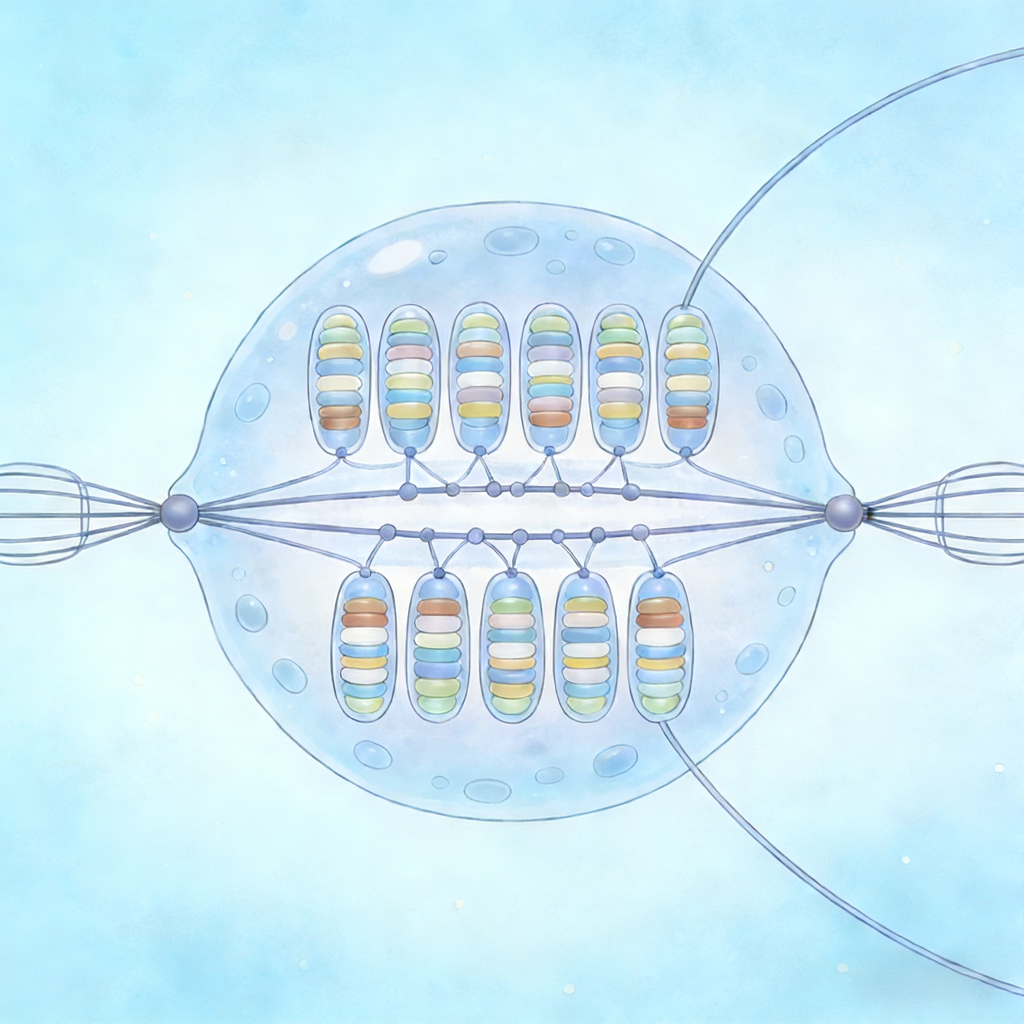
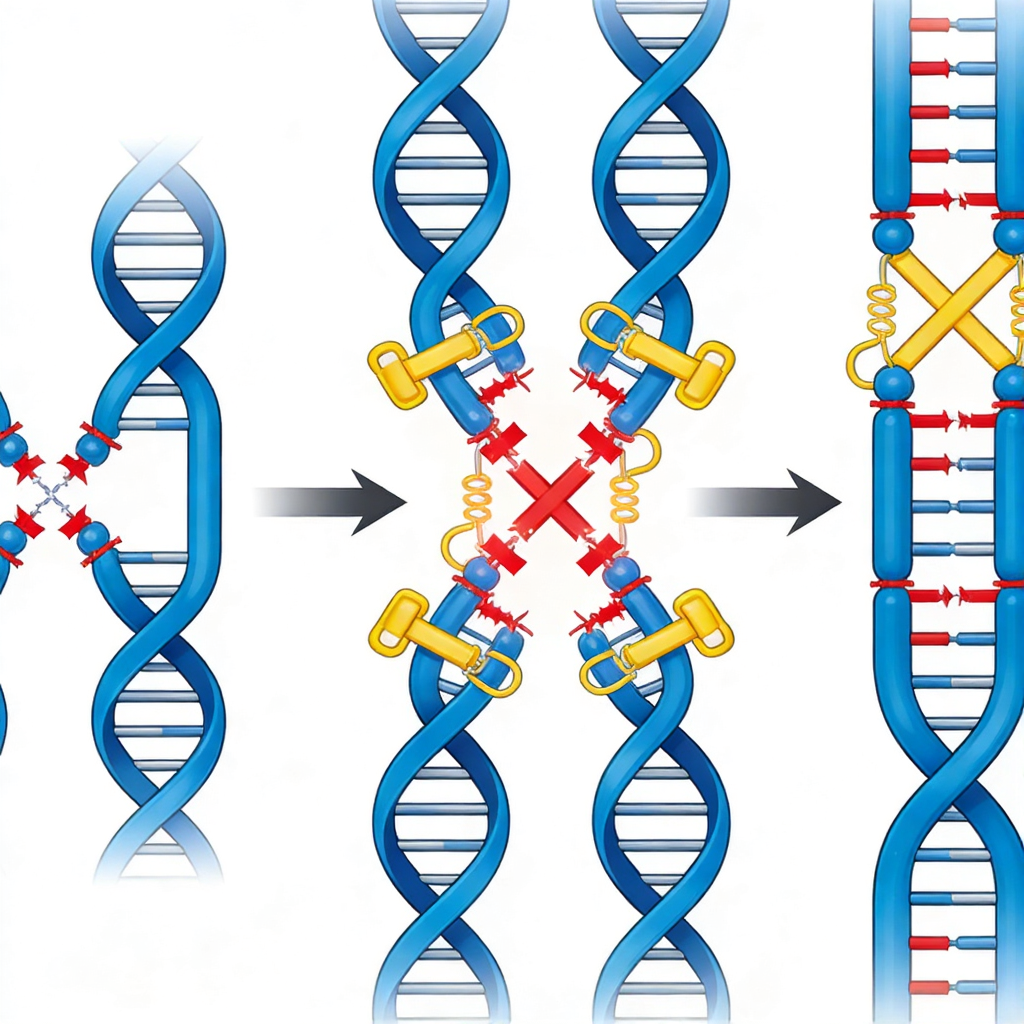
During prophase I of meiosis, to increase the genetic diversity and ensure the accurate separation of chromosomes, a programmed and highly regulated exchange of genetic material occurs between homologous chromosomes. This process is called "homologous recombination." The key steps include:
DNA Double-Strand Break
This is the initiating and critical step of the entire process. Catalyzed by the enzyme Spo11, a large number of DNA double-strand breaks are actively introduced at specific sites on the chromosomes.
Processing and Repair
After the breaks occur, protein complexes "trim" the broken DNA ends (5’ end resection), creating 3’ single-stranded DNA overhangs. These single-stranded DNAs are coated by RecA-family proteins, forming nucleoprotein filaments. These filamentous structures invade the DNA double helix of their homologous chromosome (rather than the sister chromatid) to search for homologous sequences for pairing.
Homologous Pairing
Upon successful pairing, the invading single-stranded DNA uses the homologous chromosome as a template to carry out brief DNA synthesis, repairing the gap. At this point, the two homologous chromosomes are connected by a special crossover structure known as a Holliday junction (HJ).
Crossover Recombination
The HJ can be cleaved in different ways by resolvases (such as GEN1, MUS81, etc). If the cleavage results in the exchange of DNA segments between homologous chromosomes, a "crossover" is generated.